
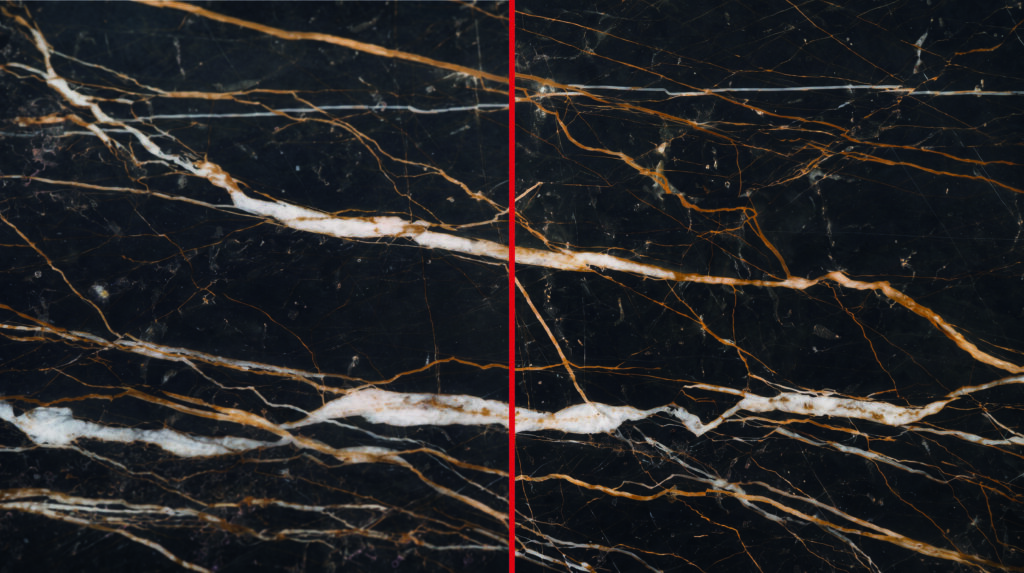
You’ve found the perfect marble. The color is just right, the veining is beautiful, and you’ve already pictured how it will look in your kitchen, bathroom or on your living room table.
Then comes the big question: polished or honed?
And suddenly, what seemed like a simple choice becomes yet another decision to add to the ever-growing list when designing your home.
The good news? You don’t need a degree in geology to get your head around it. You just need to know what makes the difference and why the finish matters more than you might think.
Polished Marble: When Light Takes Centre Stage.
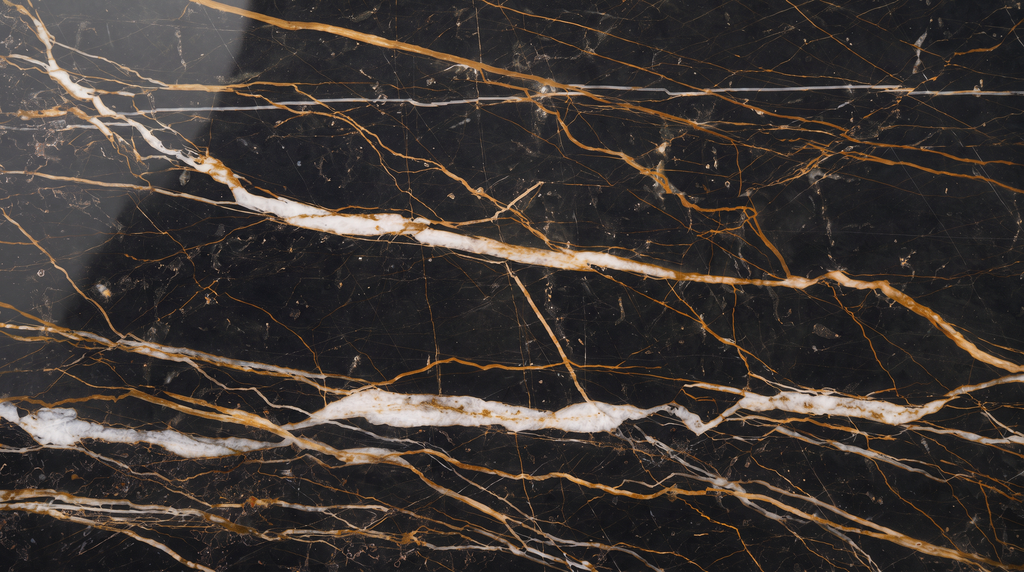
Polished marble is instantly recognisable: its surface is glossy and reflective, creating beautiful plays of light that enhance the stone’s colours and veining.
It’s a great choice when you want to highlight the stone and make it a focal point of the space. Think of a floor reflecting natural light or a marble table whose veining becomes part of the overall design.
In short, polished marble isn’t afraid to make a statement.
Where it works best:
- In the bathroom, to enhance wall cladding and surfaces;
- In the living room, for statement floors and eye-catching tables;
- In the kitchen, for those who love the glossy look of natural stone.
There is, however, one small detail to keep in mind: a reflective surface can make fingerprints, smudges and minor marks more noticeable, especially in certain lighting conditions.
That doesn’t mean polished marble is necessarily difficult to maintain. It simply means it’s worth knowing what to expect before making your choice.
Honed Marble: Less Shine, More Natural Character
If polished marble loves being in the spotlight, honed marble prefers a different kind of stage.
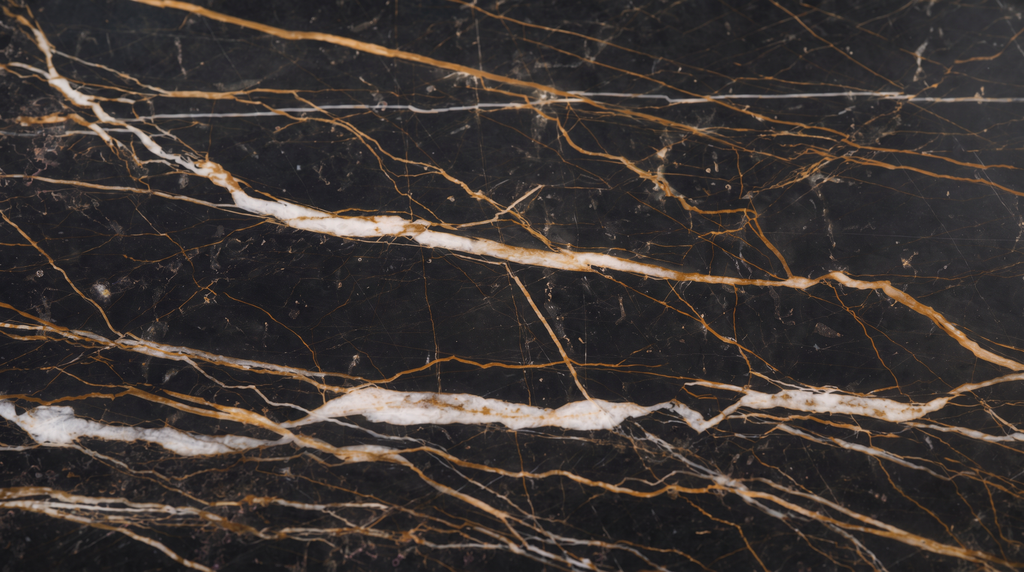
Its surface is smooth, but matte or satin-finished: no mirror effect, no strong reflections. The result is softer and more natural, allowing the stone’s colours and veining to stand out without too much drama.
This finish has a more understated and contemporary look. It’s easy to pair with other materials and ideal for those who want an elegant space without an overly showy effect.
Because it reflects less light, it can also feel more understated and easier to incorporate into a variety of interiors.
Where it works best:
- In the kitchen, for a worktop with a more natural look;
- In the bathroom, to create a balanced atmosphere with fewer reflections;
- In the living room, for understated yet characterful floors and wall cladding.
- On tables and furniture, when you want to highlight the natural beauty of the stone without relying on shine.
Here too, knowing your stone and how to care for it makes all the difference.
Polished or Honed? Let’s Clear Things Up.
Let’s put the two finishes side by side.
| Polished Marble | Honed Marble | |
| Appearance | Glossy and reflective | Matte or low-reflective |
| Veining | Deep and pronounced | The overall effect is often softer. |
| Light | Creates more pronounced reflections | A more understated effect |
| Fingerprints and smudges | May be more noticeable | May be less noticeable |
| Style | Scenografico, elegante, classico | Minimalist and natural-looking |
So, which one wins? Neither.
It depends on the marble you choose, the space, the look you’re going for and how the surface will be used. After all, even the most beautiful stone in the world can lose some of its appeal if it’s used without considering the overall context.
In the Kitchen: Beauty or Practicality? Spoiler: It’s Not That Simple.
A kitchen worktop is one of the elements that deserves the most careful consideration when choosing a material. It’s not just about deciding which finish looks better. You also need to think about how you actually use your kitchen.
Do you cook often? Do you regularly use acidic ingredients such as lemon and tomatoes? Would you like your worktop to be the focal point of the room, or do you prefer a more understated look?
Polished marble enhances the stone’s veining and creates beautiful reflections. Honed marble, on the other hand, offers a more understated, natural-looking finish.
But there’s one important thing to know: the finish alone does not determine a marble’s resistance to stains and acids.
Marble is a porous natural stone and is sensitive to acidic substances. How the surface performs also depends on the type of marble, its natural characteristics, any protective treatments applied and how it is maintained.
So, if you’re choosing marble for your kitchen worktop, our advice is to consider the material first and the finish second. Better to make an informed choice now than face an unpleasant surprise after squeezing your first lemon.
And What About the Bathroom? Here, Lighting Makes All the Difference.
The bathroom is one of the spaces where the finish can have the greatest impact on how marble looks and feels.
A polished surface can enhance reflections and bring out the stone’s veining, especially on vertical wall cladding.
A honed surface, on the other hand, creates a softer, more natural look, pairing beautifully with wood, metal and warm tones.
And What About Flooring?
Here, looks aren’t everything. In areas exposed to water, it’s essential to consider the surface’s slip resistance in relation to how it will be used. Because a beautiful bathroom matters. But so does one where you don’t have to perform acrobatics just to get out of the shower.
So, Which One Should You Choose?
If you love bright spaces, glossy surfaces and a more dramatic look, polished marble could be the finish for you.
If you prefer minimalist spaces, natural-looking materials and understated beauty, honed marble might win you over.
In any case, before making your decision, take the time to see and touch the stone in person: a photograph doesn’t always capture the true look and feel of a finish. Because when it comes to marble, sometimes it’s all about character.
Still unsure? We’re here to help!
Reading about the differences is helpful, but when it comes to marble, seeing it in person makes all the difference.
That’s why, at Miramarmi, we’re here to help you find the finish that best suits your project. We have samples available in different finishes, so you can see for yourself how the same stone can look different in terms of appearance, reflections and overall effect.
Because sometimes, there’s a world of difference between a photo on your screen and a sample in your hands.
And if you’re still torn between polished and honed, no worries: that’s exactly what we’re here for.